Healthy Lifestyle Tips: A Practical Guide for Everyday Life
 Mehak
Mehak 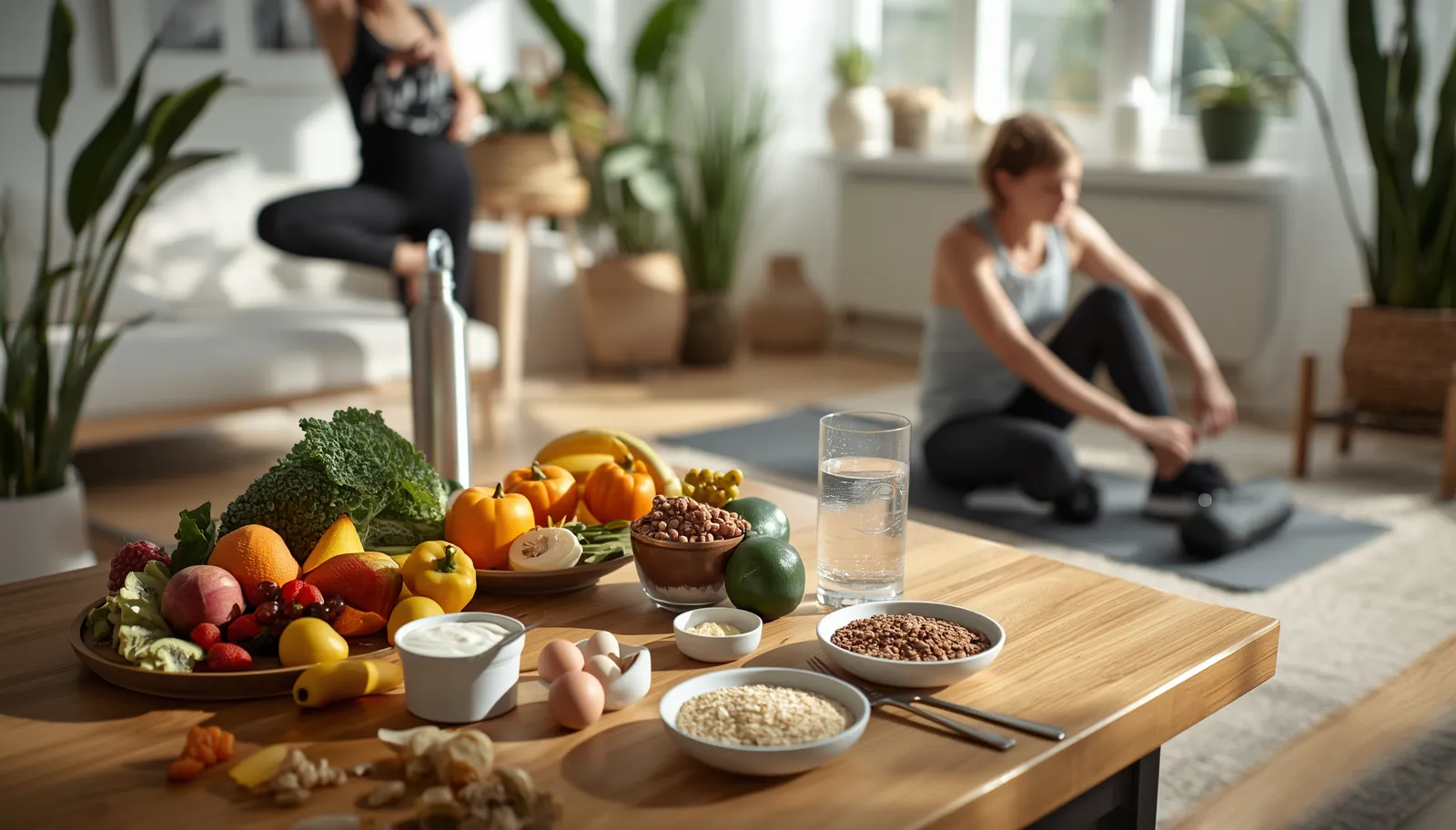
Simple daily habits like eating nutritious food, staying active, sleeping well, and managing stress create the foundation for a healthier lifestyle.
Good health is rarely built through one perfect diet, workout or morning routine. It grows from repeatable choices across food, movement, sleep, stress, relationships and preventive care.
Quick answer: How can you live a healthier lifestyle?
Build meals around varied minimally processed foods, move regularly, include strength activity, protect enough sleep, avoid tobacco, limit alcohol, manage stress and stay connected. Keep vaccinations, dental care and appropriate health checks current. Start with one small action you can repeat instead of changing everything at once.
What does a healthy lifestyle mean?
A healthy lifestyle is a pattern of behaviours that supports physical, mental and social well-being. It does not require a particular body size, expensive “superfoods,” a 5 a.m. routine or flawless discipline. Needs differ with age, disability, pregnancy, work schedule, income, culture and medical conditions.
Focus on the overall pattern. One celebration meal, missed workout or late night does not cancel weeks of supportive habits. At the same time, lifestyle advice should not be used to blame people for illness or replace medical care.
The seven foundations of a healthy lifestyle
Varied food
Choose vegetables, fruit, pulses, whole grains and suitable protein more often.
Daily movement
Walk, cycle, play, do household activity and break up long sitting.
Strength and mobility
Train major muscle groups and adapt exercises to your body and ability.
Restorative sleep
Protect sufficient time, a workable schedule and a sleep-friendly environment.
Mental recovery
Use rest, breathing, hobbies, nature, prayer or professional support as needed.
Supportive connection
Make space for safe relationships, listening, boundaries and community.
Preventive care
Use medicines correctly and keep recommended checks and vaccines current.
1. Build balanced meals from familiar foods
A healthy diet can use ordinary Indian staples. Combine vegetables or fruit, a protein source and a grain or other carbohydrate according to your needs. Dal-chawal with sabzi, roti with chana and vegetables, idli with sambar, or curd rice with vegetables can all be balanced through portions and variety.
| Meal part | Practical options | Budget idea |
|---|---|---|
| Vegetables and fruit | Seasonal sabzi, leafy greens, guava, banana, papaya, citrus | Buy seasonal produce; frozen vegetables can also be useful. |
| Protein | Dal, rajma, chana, soy, eggs, curd, paneer, fish or lean meat | Use pulses, eggs and roasted chana regularly. |
| Higher-fibre carbohydrate | Whole-wheat roti, oats, millets, brown or mixed rice | Mix familiar grains gradually; no premium flour is required. |
| Unsaturated fat | Nuts, seeds and suitable vegetable oils | Use small quantities; peanuts can be an affordable option. |
- Choose whole fruit more often than juice because juice can deliver free sugars quickly and contains less intact fibre.
- Limit—not necessarily ban—sugary drinks, heavily salted snacks and highly processed foods.
- Use clean water, safe storage and good hand hygiene; nutrition and food safety both matter.
- Do not remove gluten, dairy or major food groups unless medically necessary or replaced thoughtfully.
Personalisation matters. Diabetes, kidney or liver disease, pregnancy, allergies and eating disorders may require individual advice from a qualified clinician or dietitian.
2. Move more and sit less
Adults should work toward at least 150 minutes of moderate aerobic activity a week, or 75 minutes of vigorous activity, plus muscle-strengthening activity on at least two days. More activity can provide additional benefits, but starting below the target is valid.
A realistic weekly movement pattern
- Five days: a 20–30 minute brisk walk, cycling, dancing or another suitable activity.
- Two days: strength exercises such as squats to a chair, wall push-ups, rows, carries or resistance-band work.
- Most days: brief movement breaks during prolonged sitting.
- Regularly: balance and mobility work, especially for older adults or where falls are a concern.
Moderate intensity usually means breathing faster while still being able to talk. Stop and seek urgent help for chest pressure, fainting, severe breathlessness or other concerning symptoms. Ask a clinician how to begin if you have significant heart, lung, joint or neurological disease.
3. Protect sleep as a health behaviour
Adults aged 18–60 generally need at least seven hours of sleep, while needs vary by age and individual. Quality and regularity matter too. Do not build a “healthy” routine by cutting sleep to exercise, meal-prep or work longer.
- Keep a reasonably consistent sleep and wake window when life permits.
- Create a short wind-down with lower stimulation and dimmer light.
- Notice whether late caffeine, alcohol, heavy meals or screens disturb your sleep.
- Make the room dark, quiet and comfortably cool where possible.
- Use the bed mainly for sleep rather than prolonged work or scrolling.
Persistent insomnia, loud snoring, breathing pauses, morning headaches or severe daytime sleepiness should be assessed rather than managed only with lifestyle hacks.
4. Manage stress without expecting to eliminate it
Stress management is not simply “thinking positive.” Reduce avoidable demands, add recovery and seek help for problems that exceed self-care. Useful options include a walk, slow breathing, journaling, music, prayer, mindfulness, a hobby or a conversation with someone safe.
Two-minute reset
Relax the jaw and shoulders, breathe slowly and name the next manageable action.
Task boundary
Write unfinished work down, choose tomorrow’s first step and end the workday deliberately.
Digital boundary
Silence nonessential alerts during meals, focus and the bedtime wind-down.
Professional support
Seek care when distress persists, worsens or interferes with daily functioning.
5. Protect healthy relationships and social connection
Supportive relationships can buffer stress and make health habits easier. Schedule regular calls, shared meals or walks; listen without immediately fixing; express appreciation; and state boundaries clearly.
Loneliness is not a personal failure. Consider community groups, classes, volunteering, faith communities or professional support. Control, threats and violence are not normal relationship conflict—seek trusted and specialist help if a relationship feels unsafe.
6. Avoid tobacco and be cautious with alcohol
Avoid smoking and smokeless tobacco. If you use tobacco, evidence-based cessation support and medication can improve the chance of quitting. Avoid second-hand smoke where possible.
If you do not drink alcohol, there is no health reason to start. If you drink, less is safer; alcohol can affect sleep, judgement, medicines and several disease risks. Do not drink during pregnancy, before driving, with incompatible medicines or when a clinician has advised against it.
7. Keep preventive and routine care current
- Take prescribed medicines as directed and discuss side effects instead of stopping them independently.
- Keep vaccinations current based on age, pregnancy, occupation, travel and medical risk.
- Use recommended blood pressure, diabetes, cholesterol and cancer screening based on individual guidance.
- Brush twice daily with fluoride toothpaste and obtain dental care when needed.
- Use shade, clothing and sunscreen to reduce harmful ultraviolet exposure.
- Use helmets, seat belts, safe sex practices and hearing protection where relevant.
More testing is not always better. Screening has benefits and harms, so choose it with a qualified clinician based on age and risk—not a generic social-media checklist.
What about water and supplements?
Drink according to thirst, weather, activity and medical needs. Urine colour can offer a rough clue, but no fixed number of litres suits everyone. Kidney or heart conditions may require fluid limits. Avoid routinely adding salt or electrolyte powders without a reason.
Supplements do not replace varied food, and high doses can cause harm or interact with medicines. Use supplements for a demonstrated need, a life-stage recommendation or professional advice. Be cautious with “detox,” fat-burning and hormone-balancing products.
A simple healthy day template
| Part of day | Supportive action | Minimum version |
|---|---|---|
| After waking | Open curtains, take medicines correctly and identify one priority. | Stand by a bright window and write the priority. |
| Breakfast or first meal | Include a protein or fibre source. | Add curd, an egg, fruit or roasted chana. |
| Work or study | Use a focused block and take a movement break. | Stand or walk for two minutes. |
| After a meal | Walk for 10 minutes if suitable. | Move gently for two minutes. |
| Evening | Connect, exercise or prepare one item for tomorrow. | Send one meaningful message. |
| Before bed | Lower stimulation and follow a consistent wind-down. | Put the phone away for 10 minutes. |
A four-week starter plan
Week 1: Observe
Notice sleep, meals, movement, energy, tobacco or alcohol use and stress without trying to fix everything.
Week 2: Add one foundation
Choose one specific action: a ten-minute walk after lunch, vegetables with dinner or a consistent bedtime cue.
Week 3: Improve the environment
Place walking shoes near the door, prepare affordable snacks, schedule a health visit or silence late-night notifications.
Week 4: Review and expand
Track completion, identify the main obstacle and decide whether to keep, shrink or gradually expand the habit.
Common healthy-lifestyle mistakes
- Trying to change food, exercise, sleep and productivity on the same Monday
- Using pain, exhaustion or guilt as proof that a plan is working
- Buying supplements before improving basic routines or checking a deficiency
- Following rigid water, step or calorie targets that ignore individual needs
- Cutting all favourite or cultural foods and then rebounding
- Using a wearable score as a diagnosis or a measure of self-worth
- Delaying medical care because lifestyle changes “should” fix the symptom
When should you seek medical advice?
Arrange care for persistent fatigue, unexplained weight change, recurrent pain, major bowel changes, prolonged low mood or anxiety, or symptoms that interfere with daily life. Seek urgent help for chest pressure, severe breathing difficulty, fainting, stroke symptoms, major bleeding or immediate danger. In India, call 112 for an emergency.
The bottom line
The best healthy lifestyle tips are the ones you can apply safely and repeatedly. Build meals from varied foods, move in ways your body tolerates, protect sleep, create recovery, avoid tobacco and keep appropriate healthcare current.
Choose one behaviour, attach it to a reliable cue and keep a smaller version for difficult days. Sustainable health is a direction—not a perfect streak.
Frequently asked questions
What are the most important healthy lifestyle habits?
Prioritise varied food, regular movement, strength activity, adequate sleep, stress recovery, supportive relationships, avoiding tobacco and preventive care.
How do I start a healthy lifestyle?
Observe your current routine, choose one specific action and repeat a version small enough to manage even on busy days.
How much exercise do adults need?
Adults should work toward at least 150 minutes of moderate aerobic activity weekly, or 75 minutes vigorous, plus strength activity on two days.
How much sleep do adults need?
Adults aged 18–60 generally need at least seven hours, although individual needs and recommendations vary with age.
Do I need supplements to be healthy?
Not routinely. Use them for a demonstrated need, life-stage recommendation or qualified professional advice.
Can I follow a healthy lifestyle on a budget?
Yes. Seasonal produce, pulses, eggs, whole grains, home-cooked meals, walking and bodyweight exercise can form an affordable foundation.
How quickly will healthy habits show results?
Some effects such as energy or sleep may change sooner, while fitness and health markers take longer. Focus on repeatable behaviour and appropriate medical follow-up.
Sources and further reading
Health note: General education only. Adapt this guidance to your conditions, abilities, medicines and clinical advice.
About the Author