Best Foods to Stay Hydrated During Extreme Heat and Summer Weather
 Mehak
Mehak 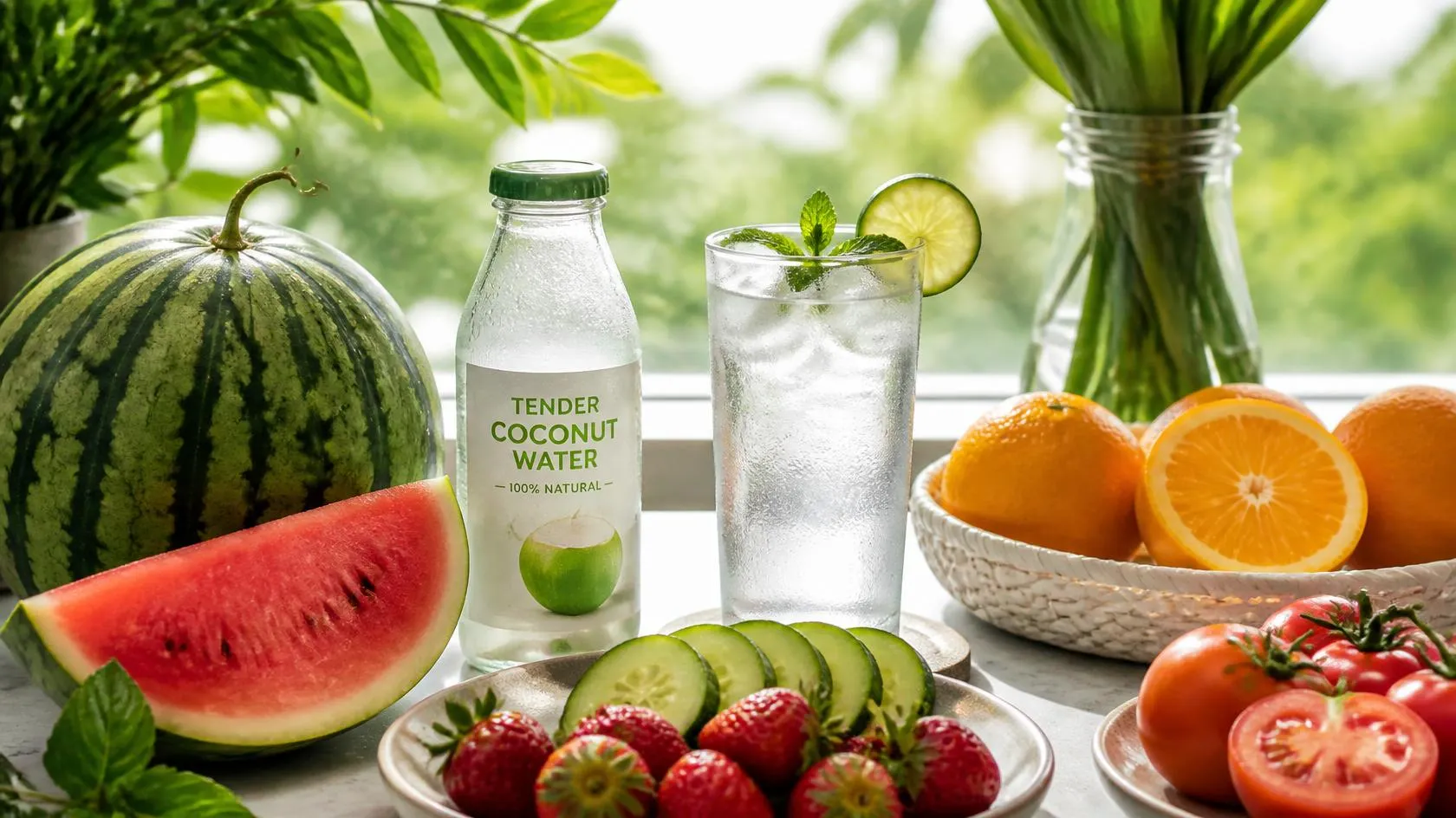
Water-rich fruits and vegetables can complement regular fluid intake during hot summer weather.
Extreme summer heat can leave you feeling tired, thirsty, dizzy and drained. When temperatures rise, your body loses more water through sweating. That makes hydration especially important during heatwaves, outdoor activities and long, hot days.
Drinking water regularly is one of the most important ways to maintain hydration. However, your diet can also contribute to your overall fluid intake. Many fruits and vegetables contain a high percentage of water, while foods such as yogurt and soups can also add fluids to your daily diet.
So, what are the best foods to stay hydrated during extreme heat?
Watermelon, cucumber, strawberries, oranges, tomatoes, lettuce, celery, zucchini and other water-rich foods are excellent choices for hot weather. Coconut water and traditional options such as plain curd or buttermilk can also fit into a balanced summer diet, depending on your individual needs.
Why Hydration Matters During Extreme Summer Heat
Your body needs water for many essential functions, including circulation, temperature regulation, digestion and normal cellular activity. During hot weather, sweating increases the amount of fluid your body can lose.
WHO recommends keeping the body cool and hydrated during heatwaves. Its current heat-health guidance advises people to drink water regularly and avoid excessive alcohol and caffeine during very hot weather.
Heat exposure can become dangerous when the body cannot adequately regulate its temperature. Heat exhaustion and heatstroke are serious conditions, and heatstroke is a medical emergency.
That is why hydration should not be treated as something you remember only when you become extremely thirsty. Build fluids and water-rich foods into your normal summer routine.
Can Food Help You Stay Hydrated?
Yes. Food contributes to your total water intake. Mayo Clinic notes that food provides about 20% of total water intake and that many fruits and vegetables contain very high amounts of water.
This does not mean hydrating foods should replace drinking water. Instead, think of them as another practical way to support your overall fluid intake.
A bowl of watermelon, a cucumber salad, strawberries with yogurt or a tomato-based meal can provide water along with nutrients such as vitamins, minerals and fiber.
15 Best Foods to Stay Hydrated During Summer
1. Watermelon
Watermelon is one of the easiest foods to include in a summer hydration routine. It contains a very high proportion of water and is refreshing when served chilled.
It also provides nutrients such as vitamin C and lycopene. Eating watermelon as a snack can be an easy alternative to highly processed summer treats.
How to eat it: Enjoy fresh slices, add cubes to a fruit bowl or combine watermelon with cucumber and mint for a refreshing salad.
2. Cucumber
Cucumber is another excellent water-rich food. It can be eaten raw without much preparation and works well in salads, sandwiches and yogurt-based dishes.
Because cucumber is light and refreshing, it can be particularly useful when hot weather reduces your appetite for heavier foods.
How to eat it: Add sliced cucumber to lunch, make a cucumber raita or combine it with lemon and herbs.
3. Strawberries
Strawberries contain substantial amounts of water while also providing vitamin C, fiber and plant compounds.
They make a convenient summer snack and can be added to yogurt, oats or homemade fruit bowls.
Fresh strawberries are generally a better everyday choice than strawberry-flavored drinks or desserts loaded with added sugar.
4. Oranges
Oranges are naturally juicy and provide both fluid and nutrients. They also contain vitamin C and fiber when eaten whole.
Eating the whole fruit is generally preferable to relying on juice because whole fruit retains its fiber and is easier to incorporate into a balanced meal pattern.
Summer idea: Keep whole oranges chilled and use them as a mid-morning or afternoon snack.
5. Tomatoes
Tomatoes contain a large amount of water and can easily become part of everyday meals.
Add fresh tomatoes to salads, sandwiches, wraps or simple homemade meals. They also provide vitamin C and the antioxidant lycopene.
For hot weather, a tomato and cucumber salad can be a simple, refreshing side dish.
6. Lettuce and Leafy Greens
Many salad greens contain substantial water. Lettuce can therefore help add fluid to meals while also contributing vitamins, minerals and fiber.
Instead of making every summer meal heavy, try building a meal around a large salad containing lettuce, cucumber, tomatoes and a protein source.
Remember that hydration is only one part of a healthy meal. Your body still needs adequate protein, carbohydrates, fats, vitamins and minerals.
7. Celery
Celery is naturally water-rich and can be eaten raw as a snack or added to salads.
Its crisp texture makes it an easy option for people who prefer foods that feel refreshing in hot weather.
Try celery with hummus, chopped into a salad or combined with cucumber and tomatoes.
8. Zucchini
Zucchini contains a high amount of water and can be included in both cooked and raw meals.
It works well in lightly cooked vegetable dishes, soups, salads and stir-fries.
During summer, avoid turning a water-rich vegetable into an extremely salty or heavily fried dish. The preparation method matters too.
9. Cantaloupe and Other Melons
Melons are naturally juicy and can be useful additions to a hot-weather diet.
Cantaloupe, honeydew and similar melons provide water along with vitamins and minerals. They are particularly convenient as a breakfast addition or afternoon snack.
Combine melon with yogurt for a simple summer snack, or add several varieties to a fresh fruit bowl.
10. Peaches
Peaches are another water-rich fruit that can make a refreshing summer snack.
They provide natural sweetness without requiring added sugar. Eat them whole or slice them into yogurt or a fruit salad.
Fresh seasonal fruit is usually a better everyday hydration choice than sugary packaged fruit drinks.
11. Bell Peppers
Bell peppers contain a significant amount of water and provide vitamin C and other nutrients.
Red, yellow and orange peppers can add color and crunch to summer salads.
Try combining sliced bell peppers with cucumber, tomatoes, lettuce and a protein source for a balanced meal.
12. Coconut Water
Coconut water is a popular summer beverage because it contains water and naturally occurring electrolytes, particularly potassium.
It can be useful as part of a varied hydration routine, especially after sweating. However, it should not automatically replace water for everyone.
People with kidney disease, certain heart conditions or other medical conditions that require limits on potassium or fluids should ask their healthcare professional whether coconut water is appropriate for them.
13. Plain Yogurt and Curd
Plain yogurt and curd contain water and can be an easy addition to summer meals.
They also provide protein and calcium, depending on the variety.
In India, plain curd can be used to prepare raita, while diluted curd can be used to make traditional buttermilk.
Choose unsweetened varieties more often than heavily sweetened flavored products.
14. Buttermilk or Chaas
Buttermilk is a traditional summer drink in many Indian households. A simple preparation made with curd, water and appropriate seasonings can be refreshing.
However, extremely salty versions are not ideal for everyone. People who have been advised to restrict sodium should follow their healthcare professional’s guidance.
For a simple version, combine plain curd with water and add mint or other herbs for flavor.
15. Soups and Broth-Based Foods
Soup may sound more appropriate for winter, but lighter soups can also contribute fluid during summer.
Vegetable-based soups can provide water and nutrients. However, watch the sodium content of packaged soups and very salty broths.
For hot weather, a chilled vegetable soup such as a homemade gazpacho-style soup can be a refreshing option.
Best Hydrating Foods for an Indian Summer Diet
For readers in India, hydration does not have to mean buying expensive health drinks.
Many familiar foods can be included in a practical summer routine:
- Watermelon
- Cucumber
- Muskmelon
- Oranges
- Tomatoes
- Curd
- Buttermilk or chaas
- Coconut water
- Lemon water without excessive sugar
- Fresh seasonal fruits
- Light vegetable salads
- Water-rich cooked vegetables
The goal is not to follow a complicated “cooling food” formula. Instead, focus on regular fluids, water-rich foods, balanced meals and sensible heat protection.
What to Eat and Drink During a Heatwave
A heatwave requires more than simply adding fruit to your diet. WHO recommends avoiding excessive heat exposure, keeping the body cool and drinking water regularly.
A practical day might look like this:
Morning
Start the day with water and eat a balanced breakfast. Add fresh fruit such as orange, melon or strawberries.
Mid-Morning
Keep water available and choose a water-rich fruit or cucumber.
Lunch
Include vegetables, a protein source, whole grains or another suitable carbohydrate, plus curd or a water-rich salad.
Afternoon
This is often when heat and fatigue become noticeable. Drink water regularly and choose watermelon, cucumber, melon or another fresh fruit.
Evening
If you have been sweating heavily, consider whether electrolyte replacement is appropriate. For most routine hydration, water remains a simple choice.
Dinner
Choose a balanced, lighter meal if heavy foods make you uncomfortable in hot weather. Include vegetables and an appropriate source of fluids.
Do You Need Electrolytes During Extreme Heat?
Electrolytes are minerals involved in important body functions. Sodium and potassium, for example, play roles in fluid balance and muscle and nerve function.
Heavy sweating can result in electrolyte losses. This is particularly relevant during prolonged physical activity in hot environments.
However, not everyone needs sports drinks or electrolyte supplements simply because the weather is hot.
WHO advises that people experiencing symptoms such as painful muscle spasms during a heatwave should rest in a cool place and drink oral rehydration solutions containing electrolytes.
If you have a medical condition or take medicines that affect fluid or electrolyte balance, ask a healthcare professional for individualized advice.
Foods and Drinks to Limit During Extreme Heat
No single food automatically causes dehydration. However, some choices can make healthy hydration harder, particularly when they replace water or contribute large amounts of alcohol, sugar or sodium.
Alcohol
Alcohol is a poor choice when your priority is hydration during extreme heat. WHO recommends avoiding alcohol during hot weather.
Very Salty Foods
Chips, heavily salted snacks and highly processed foods can add large amounts of sodium to the diet. They can also be less refreshing than water-rich whole foods.
Highly Sugary Drinks
Sweetened drinks can add substantial amounts of added sugar. They should not become your primary hydration source.
Excessive Caffeine
Caffeinated drinks can still contribute to fluid intake, but excessive caffeine may not be ideal during extreme heat. WHO recommends avoiding too much caffeine during heatwaves.
Heavy Fried Meals
Fried foods are not automatically dehydrating, but very heavy meals can feel uncomfortable during hot weather. Lighter meals built around vegetables, fruit and adequate protein may be easier to tolerate.
How Much Water Should You Drink in Summer?
There is no single amount that works for every person. Fluid needs vary with factors such as age, activity, health, location and weather.
Mayo Clinic notes that water requirements differ from person to person and can change with activity and environmental conditions.
WHO’s current heat guidance gives general public advice to drink water regularly during heatwaves, while individual needs can vary.
Instead of forcing a fixed amount without considering your circumstances, keep water accessible, drink regularly and pay attention to your body’s needs.
People doing strenuous work or exercise in extreme heat may need a different hydration strategy from someone spending the day indoors.
Signs You May Be Dehydrated
Common signs can include thirst, dry mouth, headache, tiredness and darker urine. Mayo Clinic also notes that dark urine, headaches and dizziness can occur when someone is not getting enough water.
During extreme heat, do not ignore worsening symptoms.
How to Make Hydration Easier in Summer
1. Carry a Reusable Water Bottle
Keeping water nearby makes regular drinking easier. Take a bottle when commuting, exercising or spending time outdoors.
2. Prepare Fruit in Advance
Wash and cut suitable fruits so they are ready to eat. Convenience can make healthy choices easier.
3. Add Water-Rich Foods to Every Meal
Try adding cucumber or tomatoes to lunch, fruit to breakfast and a salad or yogurt-based side dish to dinner.
4. Use Natural Flavors
If plain water feels boring, add slices of lemon, cucumber, orange or fresh herbs for flavor without relying on sugary drinks.
5. Plan Around the Heat
Hydration works best alongside heat protection. Avoid strenuous activity during the hottest part of the day when possible, seek shade and spend time in a cool environment during heatwaves.
Are Hydrating Foods Better Than Drinking Water?
No. It is more accurate to say that hydrating foods can complement your fluid intake.
Water remains a straightforward way to replace fluid losses. Foods add variety and can provide nutrients at the same time.
For example, eating watermelon provides water along with nutrients and natural carbohydrates. Eating cucumber provides water along with a crunchy, low-energy food. But neither should be viewed as a substitute for drinking enough fluids.
Simple Summer Hydration Combinations
| Combination | Why It Works |
|---|---|
| Watermelon + cucumber | Two refreshing, water-rich foods |
| Curd + cucumber + mint | Combines fluid-containing foods with protein and flavor |
| Orange + strawberries | Fruit-based snack with water and vitamin-rich produce |
| Tomato + lettuce + cucumber | Easy water-rich salad base |
| Coconut water + fresh fruit | Fluid plus nutrients; useful as part of a varied diet |
Frequently Asked Questions About Hydrating Foods
What are the best foods to stay hydrated in summer?
Watermelon, cucumber, strawberries, oranges, tomatoes, lettuce, celery, melons and other water-rich fruits and vegetables are among the best choices. They should complement regular fluid intake rather than replace it.
What fruit is best for hydration?
Watermelon is one of the most popular hydrating fruits because of its high water content. Other useful choices include strawberries, oranges, melons and peaches.
Is cucumber good for hydration?
Yes. Cucumber contains a high proportion of water and can be an easy addition to salads, snacks, raita and sandwiches.
Is coconut water good during extreme heat?
Coconut water contains fluid and naturally occurring electrolytes, including potassium. It can be part of a summer hydration routine, but it does not need to replace plain water for everyone.
What should I eat during a heatwave?
Choose balanced meals that include water-rich fruits and vegetables, adequate protein and suitable carbohydrates. Drink water regularly and avoid excessive alcohol and very sugary drinks.
Can food replace drinking water?
No. Food contributes to daily water intake, but drinking appropriate fluids remains important, particularly when you are sweating heavily or exposed to extreme heat.
Should I drink electrolytes every day in summer?
Not necessarily. The need for electrolyte replacement depends on factors such as sweating, exercise duration, illness and individual health needs. People with medical conditions should seek personalized advice.
What are the warning signs of heatstroke?
Confusion, delirium, loss of consciousness, seizures and severe heat-related illness require urgent medical attention. Heatstroke is a medical emergency.
The best way to stay hydrated during extreme heat is not to depend on one “cooling” food. Instead, build a complete hydration routine around regular fluids, water-rich foods, balanced meals and sensible protection from heat.
Keep watermelon, cucumber, melons, strawberries, oranges, tomatoes and leafy vegetables in your summer rotation. Add curd, buttermilk or coconut water when they fit your dietary and health needs.
Most importantly, do not wait until severe thirst, dizziness or weakness develops before taking hydration seriously. During heatwaves, staying cool and hydrated is part of protecting your health.
For severe symptoms such as confusion, fainting, seizures or suspected heatstroke, seek urgent medical care rather than relying on food or drinks at home.
About the Author