How Burnout Symptoms Often Get Mistaken for Laziness
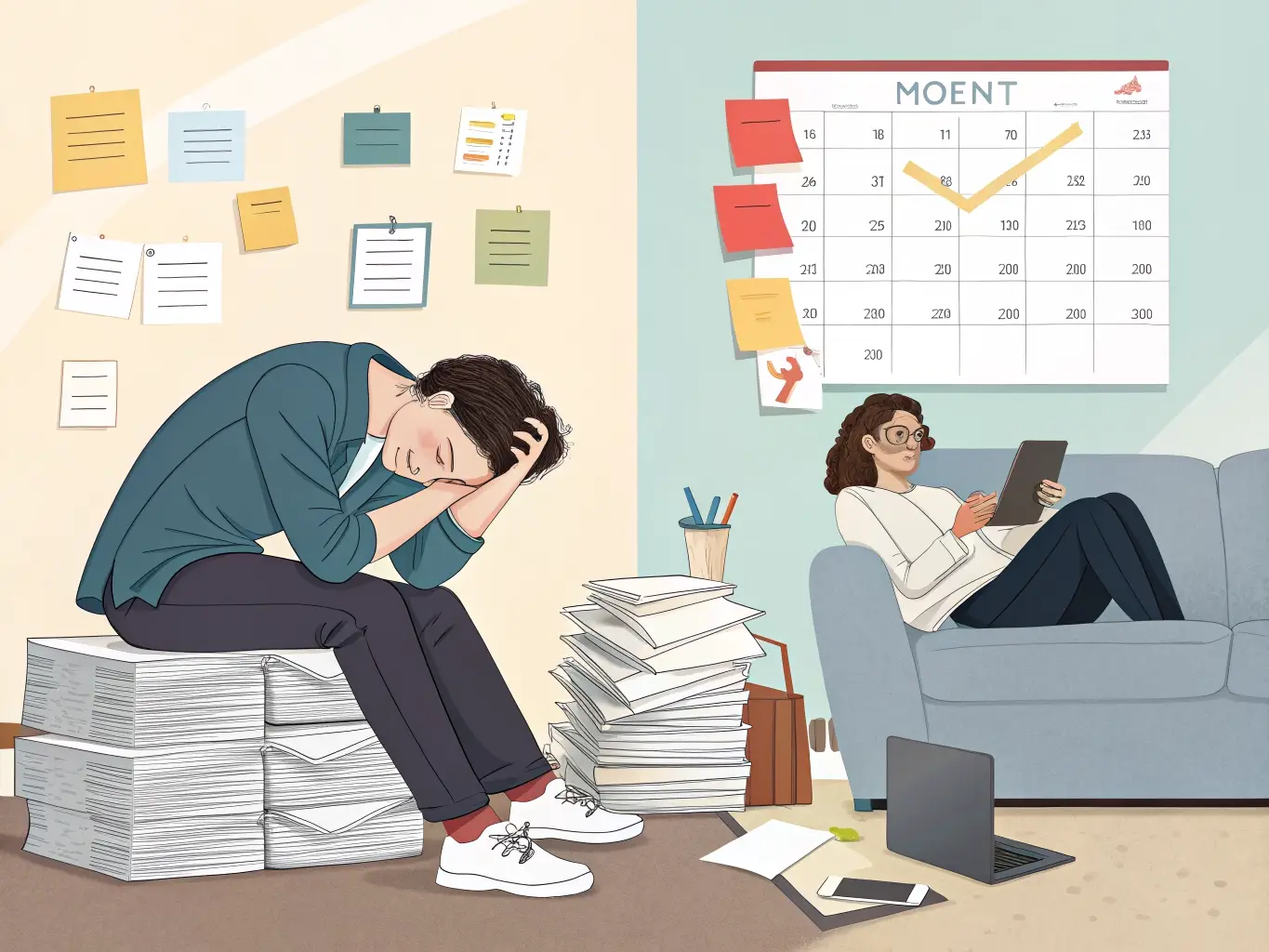
Emotional exhaustion and mental fatigue are often misunderstood as laziness in high-pressure work environments.
Many people silently struggle with exhaustion, low motivation, emotional numbness, and declining productivity. Unfortunately, these signs are often misunderstood as laziness. In reality, there is a major difference between burnout vs laziness.
Burnout is a state of emotional, mental, and physical exhaustion caused by prolonged stress, pressure, or overwork. Laziness, on the other hand, is usually linked to a temporary unwillingness to put effort into a task. Confusing the two can lead to guilt, self-criticism, damaged mental health, and even long-term health problems.
Understanding the difference between burnout and laziness is essential for protecting both productivity and emotional well-being.
What Is Burnout?
Burnout is more than simply feeling tired after a long day. It is a deeper state of chronic exhaustion that affects motivation, concentration, emotions, and overall functioning.
The term became widely recognized through the work of Herbert Freudenberger, who described burnout as severe stress and exhaustion caused by demanding environments.
Common causes of burnout include:
- Excessive workload
- Lack of rest
- Emotional stress
- Poor work-life balance
- Constant multitasking
- Unrealistic expectations
- Lack of appreciation
- Digital overload
Burnout can affect students, professionals, parents, freelancers, caregivers, and even highly motivated individuals.
What Is Laziness?
Laziness is usually temporary and situational. A lazy person may avoid effort despite having enough energy and mental capacity to complete tasks.
Unlike burnout, laziness does not usually involve emotional exhaustion, anxiety, or mental fatigue. It is often linked to:
- Lack of interest
- Poor discipline
- Short-term procrastination
- Comfort-seeking behavior
- Low urgency
Everyone experiences occasional laziness. However, burnout is a serious condition that can impact physical and mental health if ignored.
Burnout vs Laziness: Understanding the Difference
The biggest difference in burnout vs laziness lies in desire versus capacity.
- A burned-out person often wants to be productive but feels mentally and physically unable to function.
- A lazy person generally can do the work but chooses not to engage.
Burnout creates exhaustion even before starting a task. Laziness usually disappears when something exciting or urgent appears.
Signs That You May Be Experiencing Burnout
1. Constant Exhaustion
You feel drained even after resting or sleeping. Everyday responsibilities start feeling overwhelming.
2. Loss of Motivation
Tasks that once felt meaningful now feel emotionally heavy.
3. Brain Fog
Concentration becomes difficult. You may forget small things or struggle to focus.
4. Emotional Numbness
Burnout can reduce emotional energy, making people feel detached or empty.
5. Increased Irritability
Small problems begin triggering frustration or emotional reactions.
6. Physical Symptoms
Burnout may also cause:
- Headaches
- Sleep problems
- Muscle tension
- Digestive issues
- Frequent fatigue
7. Feeling Guilty for Resting
People experiencing burnout often criticize themselves for not being productive enough.
Why Burnout Is Frequently Misunderstood
Modern culture often glorifies constant productivity. Social media and hustle culture create unrealistic expectations where rest is seen as weakness.
As a result, people experiencing burnout may hear comments like:
- “You’re just lazy.”
- “You need more discipline.”
- “Everyone gets tired.”
- “Work harder.”
This misunderstanding can make burnout worse because the person already feels emotionally exhausted.
The Psychological Impact of Mislabeling Burnout
When burnout is mistaken for laziness, individuals may experience:
- Shame
- Self-doubt
- Anxiety
- Depression
- Reduced self-esteem
- Emotional isolation
Over time, this emotional pressure can intensify stress and delay recovery
Burnout in Students
Students often face burnout due to:
- Academic pressure
- Excessive screen time
- Competitive environments
- Lack of sleep
- Fear of failure
Burned-out students may appear unmotivated, but many are actually mentally exhausted.
Common signs include:
- Avoiding studies
- Poor concentration
- Emotional breakdowns
- Constant tiredness
- Loss of interest in hobbies
Burnout in Working Professionals
Workplace burnout has become increasingly common in modern digital culture.
Employees dealing with burnout may:
- Miss deadlines
- Lose creativity
- Feel emotionally detached
- Experience chronic stress
- Struggle with productivity
This is especially common in high-pressure industries where long working hours are normalized.
How to Recover From Burnout
Recovering from burnout requires intentional mental and physical recovery.
Prioritize Rest
True rest means allowing your brain to recover without guilt.
Set Boundaries
Reduce unnecessary commitments and protect personal time.
Improve Sleep Quality
Consistent sleep helps restore mental energy and emotional balance.
Reduce Multitasking
Focusing on one task at a time lowers mental overload.
Take Digital Breaks
Constant notifications and screen exposure can increase stress levels.
Talk to Someone
Support from trusted friends, family, or mental health professionals can help reduce emotional pressure.
Reconnect With Meaningful Activities
Small enjoyable activities can gradually restore emotional motivation.
When to Seek Professional Help
If burnout symptoms continue for weeks or begin affecting daily life, professional support may be helpful.
Consider speaking with a therapist or counselor if you experience:
- Persistent exhaustion
- Severe anxiety
- Emotional numbness
- Panic attacks
- Sleep disturbances
- Loss of hope or motivation
Mental health support can provide coping strategies and emotional clarity.’
How Society Can Better Understand Burnout
Instead of labeling exhausted people as lazy, society needs to recognize the impact of chronic stress and emotional overload.
Healthier environments should encourage:
- Balanced workloads
- Mental health awareness
- Rest without guilt
- Emotional support
- Sustainable productivity
Empathy is often more helpful than judgment.
The conversation around burnout vs laziness is important because many exhausted individuals are unfairly criticized when they actually need recovery and support.
Burnout is not weakness, and it is not a lack of ambition. In many cases, burnout happens because someone has been pushing themselves too hard for too long.
Recognizing the difference between burnout and laziness can help people respond with compassion, healthier habits, and better emotional awareness.
According to the American Psychological Association, chronic stress can significantly affect motivation and emotional stability.
Read This
About the Author