Emotional recovery after prostate cancer treatment
When people think about prostate cancer, the focus is usually on physical treatment—surgery, medications, or radiation. But recovery doesn’t stop at the body. The emotional and psychological impact of prostate cancer treatment can be just as significant.
At Digital Life Journal, we believe true healing includes both physical and mental well-being. Men going through treatment often experience anxiety, mood changes, loss of confidence, and emotional stress. These feelings are common, yet rarely discussed openly.
Understanding how prostate cancer treatment affects mental health is essential for improving quality of life and long-term recovery.
What Happens During Prostate Cancer Treatment?
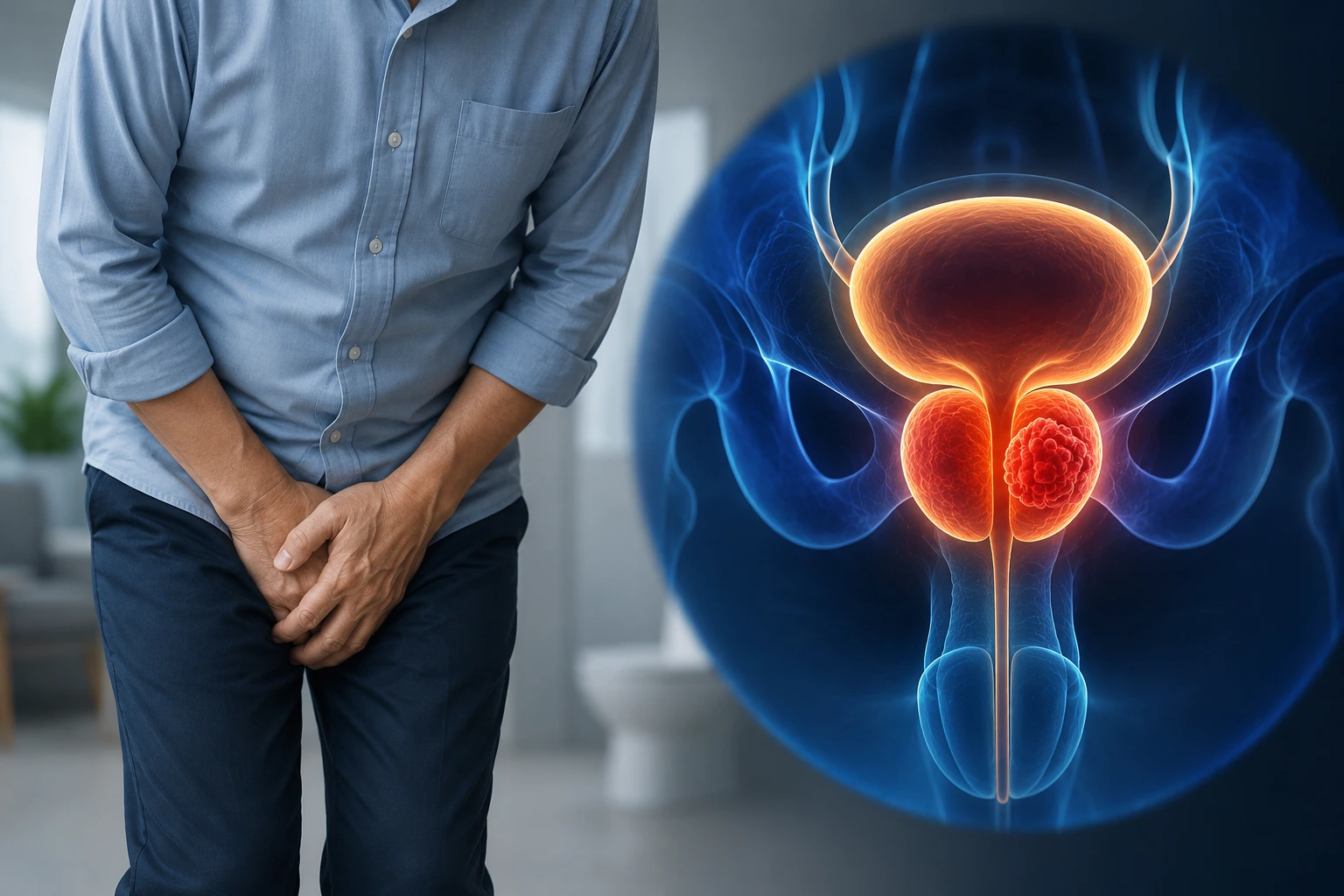
Prostate cancer is one of the most common cancers among men, especially after age 50. Treatment depends on several factors like stage, severity, and overall health.
Common Treatment Options
Surgery (Prostatectomy)
Removal of the prostate gland can treat localized cancer but may lead to urinary issues, erectile dysfunction, and physical fatigue.
Radiation Therapy
Targets cancer cells but may cause fatigue, digestive discomfort, and sexual health challenges.
Hormone Therapy
Reduces testosterone levels, often leading to mood swings, low energy, and depression.
Chemotherapy
Used in advanced cases and may cause weakness, nausea, and emotional stress due to physical exhaustion.
Why Mental Health Is Affected
Cancer creates uncertainty, while treatment introduces major life changes. Together, they impact emotional stability.
Common triggers include:
- Fear of death or recurrence
- Physical side effects
- Hormonal imbalance
- Lifestyle disruption
- Financial pressure
- Relationship challenges
Major Mental Health Effects
Anxiety and Constant Worry
Uncertainty about the future can lead to overthinking, restlessness, and sleep problems.
Depression
Loss of energy, routine, and confidence can result in sadness, hopelessness, and withdrawal.
Fear of Recurrence
Even after treatment, many men live with ongoing fear that cancer may return.
Loss of Confidence and Identity
Changes in sexual health and physical strength can affect self-esteem and masculinity.
Relationship Stress
Emotional distance and reduced intimacy may create tension between partners.
Social Isolation
Many men withdraw due to fatigue, embarrassment, or emotional exhaustion.
Body Image Issues
Weight gain, scars, or hair loss can reduce confidence.
Hormonal Mood Changes
Low testosterone affects brain chemistry, leading to irritability and low mood.
Sleep Problems
Poor sleep worsens anxiety, stress, and emotional health.
Financial Stress
Treatment costs can add pressure, especially for family providers.
Why Many Men Stay Silent
At Digital Life Journal, we often highlight how social pressure prevents men from speaking about emotional struggles. Fear of appearing weak or being judged leads many to suffer in silence.
But addressing mental health is a sign of strength—not weakness.
Warning Signs to Watch For
- Persistent sadness or anxiety
- Loss of interest in daily life
- Social withdrawal
- Poor sleep or appetite
- Constant stress or irritability
If these symptoms continue, professional help is important.
Emotional Stages of Recovery
- Shock after diagnosis
- Survival mode during treatment
- Emotional impact after treatment
- Adjustment to new normal
- Growth and rebuilding
How to Support Mental Recovery
Family Support
Listening, patience, and emotional understanding are key.
Therapy
Professional help improves coping, reduces anxiety, and supports healing.
Support Groups
Connecting with others reduces loneliness and builds hope.
Lifestyle Changes That Help
- Regular physical activity
- Balanced diet
- Good sleep routine
- Mindfulness and meditation
- Journaling thoughts and emotions
When to Seek Help
Seek professional support if:
- Depression lasts for weeks
- Anxiety becomes overwhelming
- Daily life is affected
Mental health care is an essential part of recovery.
Long-Term Healing and Hope
Recovery takes time, but improvement is possible. Many men rebuild their lives with stronger emotional resilience and a renewed sense of purpose.
At Digital Life Journal, we believe healing is not just about surviving cancer—it’s about living well after it.
Prostate cancer treatment affects more than the body. It impacts emotions, relationships, identity, and confidence.
Anxiety, depression, and stress are common—but they can be managed with the right support.
Recovery is about rebuilding life, step by step—with strength, awareness, and hope.
About the Author